
Printing and embroidery
Screen Printing vs. DTF vs. DTG: Choosing a Process for Blanks
Understand the three processes and ask comparable quote questions for your specific blank and artwork.
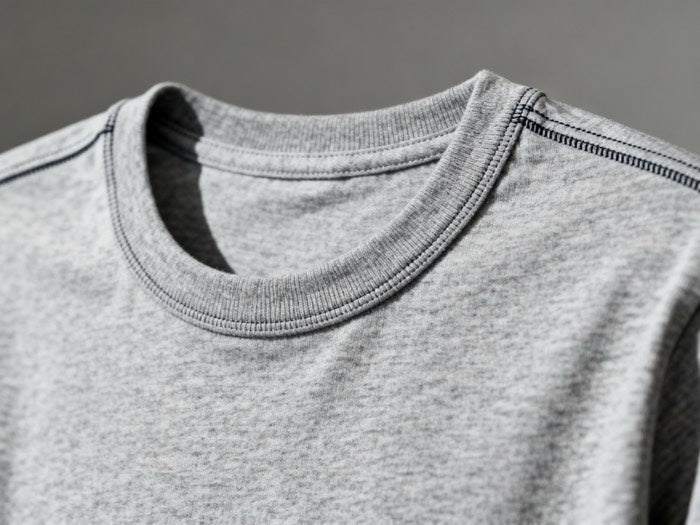
Screen printing, direct-to-film (DTF) and direct-to-garment (DTG) are different production methods. Choose between them with the actual artwork, garment, quantity and deadline in view. There is no useful universal rule that every order above a particular quantity must use one method.
How the processes differ
Screen printing pushes ink through a prepared screen onto the garment. Artwork colors can require separate screens and passes. That makes the number of colors and placements relevant to the setup discussion. Ryonet explains the preparation, printing and curing stages in its Ryonet: How to Screen Print T-Shirts guide.
DTG prints directly onto the garment; DTF prints onto film that is prepared and transferred to the garment with heat. Epson describes these workflows and their different preparation steps. Compatibility depends on the chosen equipment, consumables and fabric. See Epson: DTG and DTF Printers for Small Businesses.
| Question | What to give the decorator |
|---|---|
| What is being printed? | The final artwork, its dimensions and every placement. |
| On which garment? | Exact style, color, fiber content and a sample when needed. |
| How many? | Total pieces, size breakdown and any personalized versions. |
| What does the quote include? | Ask about setup, sample approval, decoration, packing and delivery separately. |
| What must the result achieve? | Specify legibility, placement, appearance and care expectations. |
Do not choose solely from the fiber name
An all-cotton tee and a polyester tee should not be treated as the same print job. Even within one material category, the selected garment color and surface matter to the sample you approve. Compare H1003 cotton and BSI1005 polyester as separate candidates, with their respective product specifications attached to the request.
For heat-applied decoration on polyester, ask the decorator how the chosen system addresses dye migration. STAHLS describes this as garment dye moving into the decoration under heat and notes that behavior can vary. See its STAHLS: Dye Migration Handbook. The practical buying step is to approve the exact combination, not to assume every transfer works identically.
Ask for two comparable proposals when the choice is unclear
Keep the blank, artwork size, placement and required quantity fixed. Ask what would change if the shop used another process: total quote, setup, sample requirements, appearance and production timing. If one proposal uses a different garment or omits a back print, reconcile that difference before comparing totals.
For variable names or numbers, specify how many unique versions you need. For future reorders, ask what records the decorator will retain and whether a smaller repeat run would be quoted differently. Avoid committing to a method based only on a projected reorder that may not happen.
Check the finished sample
- Is small text legible at the approved size?
- Is the design centered and clear of seams or pockets?
- Does the printed area feel acceptable when worn?
- Does the sample meet the agreed appearance checks after following care instructions?
- Are the approved garment and artwork versions recorded?
Return to the decoration guide for the full approval sequence. Browse T-shirts, and check the selling-pack guide before ordering the blanks for production.