
Wholesale ordering
How to Plan a Blank Apparel Size Run Without Guessing
Collect sizes for the chosen garment, calculate pieces by variant and keep pack rounding visible.
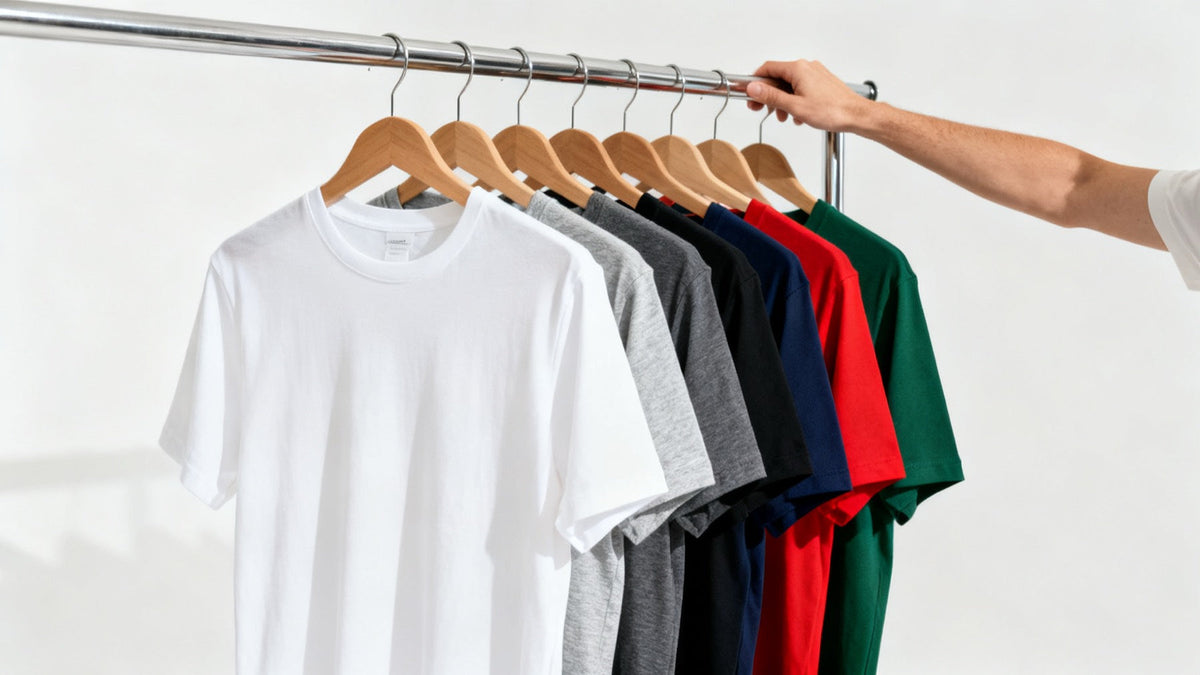
A size run is the quantity you need in each size of a selected garment. Build it from actual wearer choices, relevant previous sales or a clearly labeled planning assumption. There is no single small-to-3XL ratio that represents every team, store or event.
Choose the garment before collecting final sizes
Give recipients the style link and its size chart. Where practical, let them compare a sample with a garment they already like. Keep the same measuring method when comparing body width and length. A size letter alone does not make different cuts interchangeable.
For example, do not transfer a size list collected for H1003 directly to H3001’s fitted cut without checking it. If the style changes, tell the people choosing sizes and reconfirm the affected list.
Separate confirmed demand from your reserve
Record confirmed requests first. Add a separate column for extras, with a reason for each allocation: agreed test garments, replacement stock or a planned retail trial. Do not hide every extra inside the main count. That makes it harder to learn what the group actually needed.
| Size | Confirmed pieces | Planned extras | Required pieces |
|---|---|---|---|
| S | 6 | 0 | 6 |
| M | 14 | 1 | 15 |
| L | 18 | 2 | 20 |
| XL | 12 | 1 | 13 |
| 2XL | 6 | 0 | 6 |
| Total | 56 | 4 | 60 |
This example is arithmetic, not sales research. Replace the numbers with your own requests. For multiple colors, make a separate size run for each color; a total of 60 pieces does not identify which 60 variants to purchase.
Round by the selling pack of each variant
If a selected variant is sold one garment at a time, 15 required pieces means 15 selling units. If it is sold as a six-piece pack, 15 required pieces would require three packs, supplying 18 pieces, unless another arrangement is confirmed. If packs are fixed by size and color, do that calculation on each variant row, not on the order total.
Keep the difference in an “extra from pack rounding” column. It is a separate number from an intentional reserve. The selling-pack guide explains the calculation using catalogue examples.
Check availability before locking the artwork schedule
Confirm the exact size and color variants in the order. If a requested variant is unavailable, ask the wearer or buyer to approve the replacement. Do not silently switch a fitted style for another cut or substitute a different shade because the size name matches.
For staff or group orders, keep recipient names on your internal distribution sheet, while the supplier order lists style, color, size and quantity. For a retail trial, record sales and remaining units by size so that the next run is based on your own demand.
Save a reusable worksheet
- Style number and product link
- Color and size
- Confirmed pieces
- Planned test or reserve pieces
- Pieces per selling unit
- Selling units to order
- Pieces supplied after rounding
- Availability confirmation and approved alternative
Return to the Michigan ordering guide for the full purchasing sequence. Browse T-shirts and fleece, then enter the checked quantities in Quick Order.